
First Alert Hardwire Combination Smoke & Carbon Monoxide Alarm
4.6Editor score
Smoke and CO detection
Integrated LED strobe
Ten-year battery backup
Compare 10 smoke alarms for hearing impaired, covering visual strobes, smart alerts, carbon monoxide sensing, backup power, installation, and accessibility.
Smoke alarms for hearing impaired residents must communicate danger through more than sound alone. The most useful models pair reliable sensing with bright visual alerts, while connected options can also send mobile notifications and combination units can detect carbon monoxide. Accessibility, power resilience, and installation method should all influence your decision.
This guide compares ten products based on the features listed in their product information, including visual warning capability, smoke or carbon monoxide detection, hardwired or battery operation, backup power, interconnection, smart alerts, and maintenance features. It covers conventional alarms, combined units, visual strobes, and connected detectors to reflect different household needs.
Each review explains the strongest benefits, practical limitations, and likely users for every model. The top selections highlight dependable all-around protection, a versatile connected detector, and an integrated smoke and carbon monoxide alarm with a strobe. Product availability and pricing can change, so verify current listings and local safety requirements before purchasing.
4.6Editor score

4.6Editor score

4.2Editor score
The comparison below organizes all ten products by alert method, sensing capability, power source, backup, and connectivity. Hardwired visual-strobe options provide immediate in-home warnings, while smart detectors expand protection through phone notifications and compatible connected alarms.
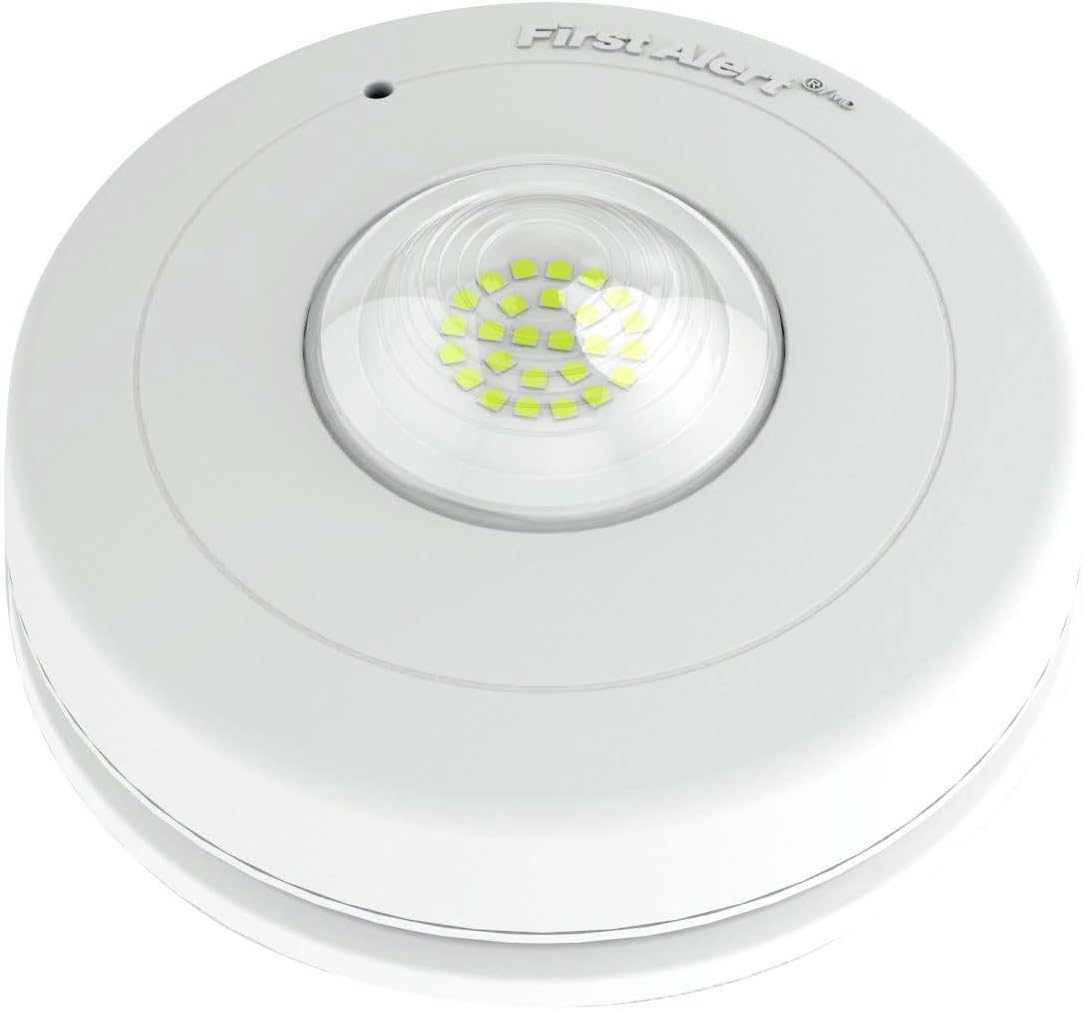
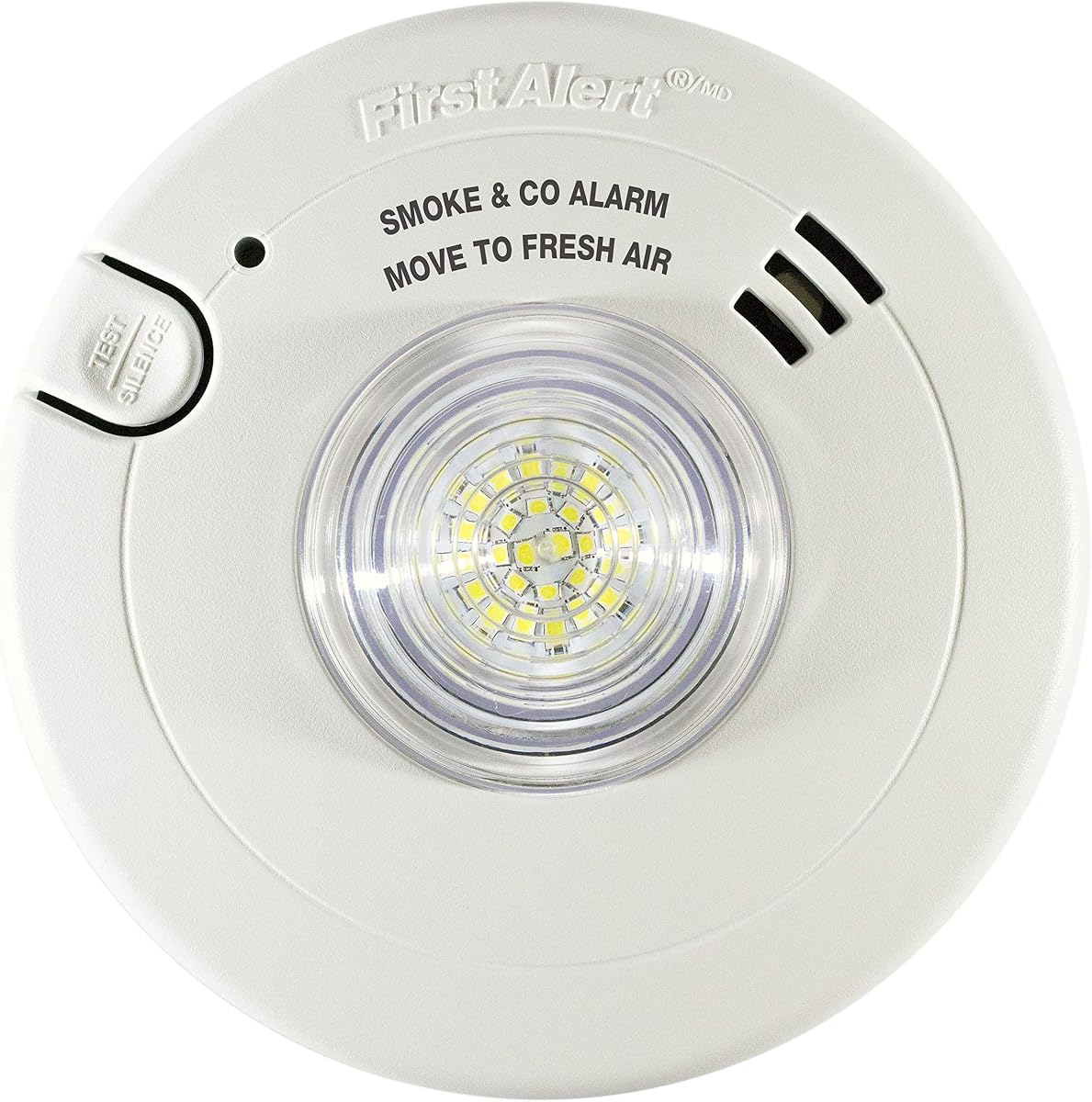


This First Alert unit offers a balanced approach to accessible home safety, combining a hardwired smoke alarm, an integrated LED strobe, and a ten-year battery backup in one enclosure. Its 4.6 rating reflects a strong combination of features, particularly for hearing impaired residents who need a warning that is immediately visible. Precision Detection sensing is also designed to reduce cooking-related nuisance alarms without overlooking the importance of early warning.
We may earn a commission when you buy through this link, at no additional cost to you.
The integrated visual warning is the main reason this model stands out. Because the LED is built into the alarm, residents do not need to depend on a separate visual accessory that could be removed, disconnected, or placed where it is not noticed. Hardwired operation supports a stable primary power source, while the ten-year backup battery continues protection during outages and avoids routine battery changes. Interconnection with most First Alert and BRK alarms creates a coordinated warning system throughout the home.
There are practical trade-offs. This is not a combination carbon monoxide model, and hardwired installation requires suitable wiring and appropriate technical knowledge. A household wanting one device to monitor both smoke and carbon monoxide should consider the First Alert combination option later in this guide. The Test/Silence button also silences nuisance sounds for up to eight hours, a useful feature around cooking but one that requires careful awareness of the visual indicator.
This is a strong all-around recommendation for households seeking reliable sensing, immediate visual notification, and resilient backup power in a single unit. It is particularly suitable for a bedroom, hallway, or other sleeping area where a visible alarm is important. Ensure that hardwired placement and interconnection requirements are compatible with the existing electrical system and follow the manufacturer’s installation instructions.
Because the LED warning is integrated directly into the smoke alarm, the unit can provide both audible and visual notifications from the same location. This simplifies the visual-alert setup and helps residents identify a warning without searching for a separate strobe.
The ten-year battery backup maintains protection when household electricity is interrupted. This is particularly valuable overnight or during severe weather, when loss of power can coincide with other hazards and residents may have less time to notice an alarm condition.
We may earn a commission when you buy through this link, at no additional cost to you.
The First Alert SLED177 is a dedicated hearing impaired visual alarm rather than a standalone smoke detector. Its 4.1 rating reflects its focused role: providing a bright 177-candela LED strobe to communicate an alarm condition visually. For households that already have suitable interconnected smoke alarms, this can be a practical way to add accessible notification without replacing the primary detection equipment.
We may earn a commission when you buy through this link, at no additional cost to you.
A major advantage is the synchronized strobe behavior. When multiple compatible units are installed, their lights flash in unison, creating a more noticeable and coordinated warning across the home. The slim low-profile design can be mounted on a ceiling or wall, giving installers flexibility in placing the warning where residents can see it from sleeping and common living areas. The product information also notes that it meets UL standards and Americans with Disabilities Act requirements.
The limitations are important. This unit does not contain a smoke sensor, so it cannot replace an actual smoke alarm. It also requires 120-volt hardwired installation rather than a simple battery setup or plug-in connection. Compatibility with the rest of a household alarm system must be verified carefully, and electrical work may require a qualified professional depending on local requirements.
Buyers should choose the SLED177 when the main objective is a powerful, synchronized visual notification and they already have an appropriate interconnected alarm system. It is less suitable as a stand-alone solution or for renters who cannot modify their wiring. For an integrated alternative, the First Alert BRK 7030BSL combines detection and a visual strobe in one unit.
The 177-candela output is intended to catch attention, while synchronized flashing makes distributed units operate as a coordinated alert system. Placement near sleeping spaces and other high-risk areas should be considered during planning.
This product does one job: illuminating an alarm event. It is most valuable as a thoughtfully positioned accessory in a home with compatible detection and interconnection equipment, not as a substitute for smoke sensing.
We may earn a commission when you buy through this link, at no additional cost to you.
The First Alert BRK 7030BSL combines several essential warning functions in one hardwired device: smoke detection, carbon monoxide detection, and a visual LED strobe. Its 4.2 rating makes it a compelling option for households seeking fewer separate components. Rather than pairing a conventional alarm with a separate visual accessory, this model centralizes detection and notification.
We may earn a commission when you buy through this link, at no additional cost to you.
Its smart strobe uses distinct flash patterns to differentiate smoke and carbon monoxide emergencies. This gives residents information beyond a generic warning and may help them understand the nature of the threat. The 77-candela LED is designed to wake hearing impaired residents, and multiple installed units flash in unison for broader visibility. Optipath 360 technology provides direct access to the smoke-sensing chamber, supporting the model’s inspection and sensing design.
Compared with the First Alert SLED177, this unit offers less raw visual output because its 77-candela strobe is lower than the dedicated 177-candela accessory. It also requires hardwiring, so installation is less approachable than a battery alarm. Carbon monoxide detection adds valuable coverage but does not change the need for separate CO alarms in every recommended location. Check local guidance for placement and consider professional installation when modifying wiring.
This alarm is best for users who want a single integrated product for smoke, carbon monoxide, and visual alerts. It is especially appropriate where an interconnected system is already planned or where reducing the number of mounted devices matters. Its distinct flash patterns and synchronized warning system give hearing impaired residents more than one way to perceive an emergency.
The smart strobe distinguishes smoke from carbon monoxide through separate flash patterns. This added distinction can make the visual warning more informative for residents who cannot rely on a particular audible tone.
Integrating smoke detection, carbon monoxide detection, and a strobe reduces the number of separate devices to install and maintain. It is a streamlined solution for accessible warning coverage in suitable hardwired locations.
We may earn a commission when you buy through this link, at no additional cost to you.
This First Alert combination alarm brings together smoke detection, carbon monoxide detection, and an integrated LED visual warning in a single hardwired device. Its 4.6 rating places it alongside the highest-rated products in the guide. For a hearing impaired resident, the combination of audible and visible notification with dual hazard detection offers a particularly complete safety package.
We may earn a commission when you buy through this link, at no additional cost to you.
Precision Detection sensing is designed to reduce cooking nuisance alarms while preserving early warning. The ten-year battery backup ensures the device continues to operate during a power interruption without routine battery replacement. Its ability to interconnect with most First Alert and BRK alarms means one compatible detector can trigger warnings throughout the system. These features make it well suited to a professionally planned, hardwired home safety network.
The trade-off is installation complexity. Unlike a battery model, it must be connected to household wiring, and users should verify the electrical box, wiring type, and local code requirements. The product information does not identify smart phone notifications, so households that depend on remote alerts should consider a connected Kidde model or add a suitable notification system. Its visual warning should also be tested from different rooms to confirm it is noticeable under expected conditions.
This is the premium choice in this roundup for households wanting smoke and carbon monoxide coverage, an integrated visual alert, long-term backup power, and broad interconnection potential. It is especially appropriate for renovations or new construction where hardwired systems can be designed correctly. Buy it as the central unit of a coordinated alarm setup rather than expecting one placement to satisfy every location requirement.
Combining smoke and carbon monoxide detection simplifies the number of devices required for two common household hazards. The integrated strobe then adds an accessible visual notification without requiring a separate wall unit.
Interconnection with most compatible First Alert and BRK alarms creates a house-wide warning network. For optimal results, plan compatible placement and test the entire system regularly rather than assuming every unit will communicate automatically.
We may earn a commission when you buy through this link, at no additional cost to you.
The Kidde Carbon Monoxide Detector with Safety Light is designed for accessibility while concentrating on carbon monoxide monitoring. Its 4.1 rating reflects a practical set of features, including plug-in installation, a ten-year lithium backup battery, a digital display, and illumination for the path toward safety. It is a strong secondary device for households that need a visible cue without installing a hardwired alarm.
We may earn a commission when you buy through this link, at no additional cost to you.
The digital LED display shows the carbon monoxide level sensed by the detector, giving users more detailed information than a simple warning sound. Peak Level Memory records the last time carbon monoxide was detected or the unit was tested, which can help users track important events. The integrated safety light illuminates a route when dense smoke is present, adding a visual aid during evacuation.
This product does not include smoke detection, so it cannot replace a smoke alarm or provide comprehensive fire warning. It also needs a standard 120-volt outlet and may be unsuitable in locations where that is inconvenient or unsafe. Although the Test-Hush button supports testing and temporarily silences a low-battery chirp, users should not silence warnings without understanding the reason for the alert.
Choose this detector when the immediate need is accessible carbon monoxide monitoring with simple installation. It can complement a separate network of smoke alarms with strobes, especially in a bedroom or other area where a visible evacuation aid is useful. It is not the most complete single-device choice in this guide, but it brings together several helpful features in a familiar plug-in format.
The digital display presents the detected level in parts per million, offering more information than a basic audible-only alert. Peak Level Memory adds a useful record of the most recent detection or test event.
The built-in safety light can illuminate the way toward safety when smoke makes the route difficult to see. It works alongside the detector rather than replacing a full home fire-alarm system.
We may earn a commission when you buy through this link, at no additional cost to you.
The First Alert BRK combination alarm integrates smoke detection, carbon monoxide detection, a visual LED strobe, and a ten-year battery backup. Its 4.0 rating is solid, and the feature set is especially relevant to hearing impaired residents who want more than an audible warning. It also supports a broader connected system through compatible BRK units.
We may earn a commission when you buy through this link, at no additional cost to you.
Precision Detection sensing is intended to reduce nuisance alarms caused by cooking. The hardwired design uses household electricity as its main source, with the ten-year battery serving as outage protection. Interconnected units can flash their strobes in unison, making it easier for residents in different parts of the home to recognize that an alarm has occurred. A Test/Silence feature is not listed in the supplied description, so users should consult the manual for exact controls.
The listing includes a one-pack, which means households with several bedrooms, hallways, or other required locations will need additional compatible units. Installing one device also means planning compatible wiring and interconnection rather than treating it as a simple room-by-room accessory. It is also important not to treat the integrated CO detector as a reason to omit other CO alarms where local guidance calls for them.
This model is a good choice for an accessible, hardwired home system in which synchronized visual alerts are important. It offers the strongest combination of sensing and warning in a single enclosure for users willing to plan the installation. It may be less appealing for renters or homes without suitable wiring, where a battery alarm or plug-in device is easier to deploy.
When compatible BRK units are interconnected, their strobes flash together. This coordinated pattern can be easier to notice and helps communicate that an emergency affects the home rather than a single device.
The ten-year battery backup reduces the chance that a power interruption will silence the alarm. It also removes routine battery replacement from the maintenance routine while hardwired power handles normal operation.
We may earn a commission when you buy through this link, at no additional cost to you.
This First Alert battery smoke alarm is a straightforward, approachable detection device with a 4.5 rating. It uses battery operation for simple installation and maintenance, while Precision Detection technology is designed to reduce cooking nuisance alarms and provide early warning. It is a practical component for a complete alarm network, though the supplied product information does not identify an integrated strobe or other visual notification.
We may earn a commission when you buy through this link, at no additional cost to you.
The front-access battery compartment makes routine battery replacement more convenient. An end-of-life warning informs users when the alarm should be replaced, helping prevent an aging detector from remaining in service indefinitely. A Test/Silence button allows users to confirm operation and temporarily silence nuisance alarms. These maintenance features make the unit straightforward to manage even for people who do not want a complex hardwired system.
The central limitation is accessibility. This alarm does not list a visual warning feature, so it does not by itself meet the need of a hearing impaired resident who cannot reliably hear the alarm. It should be paired with an appropriate visual alarm or connected notification system. Users must also replace batteries as needed and respond to the end-of-life warning rather than assuming a working light implies the alarm remains serviceable.
This product is best for renters, older homes without suitable wiring, or households that want an easy way to add standard smoke detection to a mixed alarm system. Pair it with a visible strobe or smart detector where necessary. As a stand-alone choice for someone with hearing loss, it is less complete than the integrated visual models featured in this guide.
Battery operation makes this model easy to add in locations where hardwiring is inconvenient. The front-access compartment and clear end-of-life indication simplify ongoing maintenance for users and caregivers.
This alarm can provide standard smoke detection where visual and smart models are not needed. Hearing impaired residents should still receive a separate, clearly visible alert or a connected notification method.
We may earn a commission when you buy through this link, at no additional cost to you.
The second First Alert battery smoke alarm in this roundup shares a 4.5 rating and a simple feature set centered on dependable detection and convenient maintenance. Battery power allows easy installation without household wiring, while Precision Detection is designed to reduce cooking-related nuisance alarms and support early warning during a home fire emergency.
We may earn a commission when you buy through this link, at no additional cost to you.
A front-access battery compartment makes it easier to change the battery, which matters in homes where alarms are mounted high, in closets, or in other less convenient positions. The end-of-life warning provides a clear signal when replacement is due instead of leaving users to estimate service life. The test and silence button also supports routine checks and temporary control of nuisance warnings.
Like the other battery-only smoke alarm in the list, this model does not specify a visual strobe. A hearing impaired resident should not depend on the audible warning alone; pair the detector with a suitable visual alarm, a smart notification device, or another accessible communication method. Batteries also require attention, and the unit should be replaced when its end-of-life signal appears.
This model is a sensible choice for households seeking a conventional battery alarm with easy maintenance. It works well in apartments, rental properties, additions to an existing mixed system, and areas where wiring would be difficult. It is less suitable as the only safety device for someone who cannot hear conventional alarm tones. The available product data does not distinguish the model from the other listed First Alert battery alarm beyond its listing and image.
Because it does not require household wiring, this alarm can be installed in more locations. That makes it useful for expanding coverage or replacing a unit in a finished room without major electrical work.
The end-of-life warning and accessible battery compartment make upkeep more visible. Households should still establish a regular testing and battery-checking routine rather than relying solely on the warning indicator.
We may earn a commission when you buy through this link, at no additional cost to you.
The Kidde Smart Smoke & CO Detector with Ring is designed for households that want accessible warnings both inside the home and away from it. Its 4.1 rating reflects a broad feature set: smoke and carbon monoxide detection, hardwired operation with an AA battery backup, Ring app notifications, and compatibility with Alexa-enabled devices. This is one of the most versatile options for a connected safety strategy.
We may earn a commission when you buy through this link, at no additional cost to you.
Real-time Ring app notifications provide an additional way to learn about smoke, carbon monoxide, or low-battery warnings without relying solely on an audible alarm. The product information notes that notifications do not require a subscription. An optional subscription can add professional 24/7 smoke and CO monitoring for households that want another layer of response, although users should consider whether they need that service.
The detector also states that adding one Kidde smart detector can enable mobile alerts for every hardwired alarm in the home when the units are configured for whole-home connectivity. This could be especially helpful for hearing impaired residents who spend time away from home. Users must follow the user guide for setup because compatibility and network behavior depend on the installed alarms and app configuration.
This model is a strong recommendation for households seeking phone-based warnings along with conventional detection. It is less ideal for someone who wants a completely independent system or has no smartphone or compatible connected environment. Keep local smoke and CO alarms in place even when remote monitoring is available, because phone notifications should complement rather than replace on-site warning devices.
Ring app notifications can tell a hearing impaired user about a smoke, carbon monoxide, or low-battery event when they are away from the audible alarm. These alerts require the detector to be configured correctly and the associated service to be available.
The ability to connect with other hardwired alarms extends the value of a smart detector across the home. Careful setup and compatibility checks are essential for users who depend on this feature for remote awareness.
We may earn a commission when you buy through this link, at no additional cost to you.
The Kidde Smart Smoke Detector with Ring offers an accessible middle ground between a conventional battery alarm and a hardwired visual-strobe system. Its 4.2 rating reflects solid performance plus valuable smart connectivity. Because the detector can send smoke and low-battery notifications through the Ring app, it gives hearing impaired users an additional warning route when they are not close enough to hear an alarm.
We may earn a commission when you buy through this link, at no additional cost to you.
Real-time notifications are available without a subscription, making the core remote-alert function straightforward to use. The product can also connect with Alexa-enabled devices, adding another potential notification channel for compatible households. Hardwired installation combined with an AA battery backup supports continued operation during power interruptions and allows the unit to participate in whole-home smart connectivity when configured according to the user guide.
The detector focuses on smoke and does not list carbon monoxide detection. It should therefore be paired with an appropriate CO alarm if the home lacks one. Its enhanced sensing technology is designed to reduce cooking-related nuisance alarms compared with prior Kidde generations. As with any connected product, setup can add complexity, and app notifications should supplement rather than replace tested local alarms.
This is the best budget entry among the smart options because it combines useful phone alerts with hardwired reliability and backup power. It is suitable for a hearing impaired resident who wants remote awareness but does not need integrated carbon monoxide sensing. Confirm compatibility with the intended home system, complete the setup carefully, and test both the detector and notification path regularly.
Smoke and low-battery notifications can reach the Ring app while the resident is home or away. Because the core notification function does not require a subscription, it can serve as a practical supplementary warning channel.
Hardwired primary power with AA battery backup gives the detector resilience during outages. Its ability to contribute to whole-home connectivity makes it most useful in a planned network of compatible alarms.
We may earn a commission when you buy through this link, at no additional cost to you.
The right accessible smoke alarm depends on how the warning must reach you, the hazards you want covered, the home’s electrical setup, and the amount of connected equipment you are willing to maintain. Prioritize life-safety functions first, then choose the alert and installation features that fit the household.
A smoke alarm designed for hearing impaired use should provide a visible signal that can be noticed while sleeping, working, or relaxing. Integrated LED strobes and light alarms are stronger choices for this purpose because they place the visual warning directly near the detector. A separate strobe can work well when it is linked to a compatible alarm network, but placement matters: the light should be visible from relevant rooms and pathways, not hidden behind furniture or outside the primary sleeping area.
Prioritize a bright, clearly visible warning over an alarm that relies exclusively on app access. Phone notifications are helpful when a resident is away, but they cannot wake someone who is asleep in the same room as the detector. Check the listed light output, flash behavior, synchronization, and compatibility details before choosing a dedicated or integrated visual alarm.
Smoke alarms detect fire-related smoke, while carbon monoxide alarms identify a potentially deadly gas that may be odorless and invisible. A combination unit can monitor both hazards in one device, but local guidance and the layout of the home still determine how many alarms are needed and where they belong. Having both sensing functions in one enclosure is convenient, but it should not be interpreted as permission to install only one unit throughout the home.
If a household has no separate CO coverage, prioritize a combination model such as the First Alert BRK 7030BSL, the First Alert Hardwire Combination Smoke & Carbon Monoxide Alarm, or the Kidde Smart Smoke & CO Detector with Ring. If suitable CO alarms are already present, a dedicated smoke detector with a strobe can deliver a focused visual warning without adding redundant sensing.
Hardwired alarms provide a stable primary power source and are often appropriate for new construction or planned renovations, although installation requires compatible wiring and may involve a qualified electrician. Battery alarms are simpler to add and replace, making them convenient for renters and finished homes. Their main trade-off is the need to maintain batteries and account for low-power or end-of-life warnings. Plug-in devices offer another easy option where a suitable outlet is available.
Choose based on the home rather than on installation convenience alone. Households should factor in outlet access, ceiling height, wall construction, existing alarm wiring, and whether tenants are permitted to modify electrical fixtures. Confirm that hardwired units are compatible with the existing electrical box and alarm system. A local fire-safety professional can help resolve placement and code questions that a product listing cannot answer.
A working smoke alarm is of limited value if a power interruption disables it at the wrong moment. The First Alert hardwired models in this guide pair normal hardwired operation with a ten-year battery backup, while the Kidde smart products use an AA backup. Plug-in CO detectors should also be checked for their own outage strategy, and battery-only alarms require routine replacements. Backup capability should be understood in the context of the entire warning system rather than treated as a substitute for testing.
Consider how long the backup is designed to last, how the end-of-life or low-battery signal works, and whether the device can still produce a visual warning during an outage. For homes where power outages are frequent or dangerous, hardwired units with long-term backup or a carefully maintained battery network are generally more reassuring than a single unit with no secondary power source.
Interconnected alarms can sound throughout a home when one unit detects danger, while synchronized strobes flash in unison. This is especially useful for larger homes, multilevel properties, and residents who may not hear an alarm in a distant room. The value depends on compatible equipment and correct installation, so buyers should verify supported models rather than assuming all products work together automatically.
Look for specific compatibility references between First Alert, BRK, and connected Kidde systems. Plan the network before installation, including which locations need detection and which locations need visual notification. After installation, test the complete system so that the intended audibility and visibility are confirmed from realistic sleeping and movement positions.
Connected detectors can send smoke, carbon monoxide, and low-battery alerts to a smartphone, which is valuable when a hearing impaired resident is away from home or asleep in another room. Some products also support notifications through Alexa-enabled devices. Remote alerts add another layer, but they depend on a functioning network, correct app setup, compatible hardware, and a user who can check the device. They should never be the only warning mechanism in a sleeping area.
Look for the types of notifications included without a paid service, then separately evaluate any optional professional monitoring. A homeowner should understand whether connectivity is a convenience, a family communication tool, or part of a broader monitored response plan. If remote alerts are central to the selection, test them under both normal and outage conditions whenever possible.
Different warning patterns can communicate distinct information even when a resident cannot hear the usual alarm tone. The First Alert BRK 7030BSL uses separate strobe flash patterns for smoke and carbon monoxide, while smart detectors can identify the type of event in app messages. Clear pattern differentiation can help residents respond appropriately and can also assist caregivers who are not immediately present.
Consider whether the product separates warning types visually, digitally, or both. Users should learn the meaning of each pattern before an emergency occurs. A distinctive alert is only useful if it is noticeable under normal conditions and understandable without relying on written instructions that will not be available during a chaotic event.
Accessible alarms must remain functional for the years between installation and replacement. Front-access battery compartments make routine changes easier, while end-of-life warnings tell users when a detector should be retired. Hardwired units with long-term backup reduce battery maintenance, but they still require testing and visual inspection. Smart products also depend on app setup and network behavior, so maintenance extends beyond changing a battery.
Follow the manufacturer’s testing, cleaning, and replacement instructions. Establish a schedule that includes pressing test buttons, checking visible indicators, confirming backup status, and reviewing connected notifications. If a resident cannot perform these tasks comfortably, include a trusted caregiver or other support person in the routine. A well-designed alarm is only as helpful as its upkeep program.
Install the alarm according to its manufacturer’s instructions and the placement guidance applicable to your home. For hardwired units, confirm electrical compatibility before connecting anything and use a qualified electrician when required. Place battery units at the recommended height and away from vents, kitchens, bathrooms, fireplaces, and other listed nuisance-alarm sources. For visual alerts, choose a location where the light can be seen from the bed and along common escape routes.
After installation, test every alarm and visual notification path. Press the test or silence controls as directed, operate interconnected units so you can confirm remote and synchronized warnings, and verify that smart detectors appear correctly in the companion app. For hardwired visual alarms, ask someone outside the room to confirm that the flash is visible under realistic nighttime conditions. If a phone notification is part of the plan, test it while the resident is away as well as inside the home.
Create a maintenance routine that includes regular testing, replacement of depleted batteries, cleaning, and attention to end-of-life warnings. Replace the entire alarm when its service life ends, even if it still appears to operate. Review connected-app settings and account access periodically, and keep emergency instructions visible in accessible formats. Maintain smoke and CO alarms as part of a broader escape plan with clear exits, an accessible route outside, and a safe meeting point.
An integrated LED strobe is often more dependable for a hearing impaired resident than a conventional audible-only alarm because the warning originates at the detector. It is especially valuable in bedrooms and sleeping areas, where a phone notification may not wake someone. The strobe should still be tested from the bed and other relevant positions to confirm that it is noticeable in real conditions.
Smoke and carbon monoxide are different hazards, so each requires appropriate detection coverage. A combination alarm monitors both in one unit, which can simplify installation and add a visual warning, but local guidance may still require multiple devices in different locations. Review the number and placement of alarms recommended for your home rather than assuming one combination model is sufficient.
Some experienced homeowners may be able to perform straightforward electrical work, but hardwired alarms require compatible wiring, correct connections, and safe power isolation. Local codes and rental rules vary, and a qualified electrician is the safer choice when there is uncertainty. The manufacturer’s instructions should always be followed, and the finished installation should be tested for sound, light, interconnection, and backup function.
The featured Kidde smart products provide basic Ring app notifications without requiring the optional subscription. The paid service is designed for professional 24/7 monitoring rather than being necessary for every local alert. Even with remote notifications enabled, households should retain tested local smoke and carbon monoxide alarms because networks, phones, accounts, and applications can fail or be left unattended.
A useful visual alarm should be bright enough to catch attention through a bedroom doorway and noticeable from the bed, particularly at night. The First Alert SLED177 offers a listed 177-candela output, while integrated combination models use different light levels. Candela alone does not guarantee usefulness, so placement, obstruction, sleep habits, and direct line of sight should be considered.
Follow the manufacturer’s testing instructions and regularly press the test control on every unit to confirm that its warning functions operate. Connected alarms should also be checked through the app, and interconnected units should be tested as a system. Establish a consistent schedule and assign responsibility to the resident or a caregiver so that tests do not depend on memory during a busy period.
First confirm that the warning does not correspond to smoke, fire, or carbon monoxide, and treat every alarm as potentially serious until the cause is known. Use the silence control only as directed, ventilate the area if appropriate, and call emergency services when there is any uncertainty. If nuisance alarms continue, inspect placement for nearby cooking, steam, dust, or other listed causes and consult the manual.
The correct number depends on the floor plan, sleeping areas, alarm coverage, and the locations where a visual warning must be noticed. A single alarm may be sufficient for some apartments, while larger or multilevel homes generally benefit from interconnected detection and synchronized strobes in multiple locations. Plan the network before purchase and verify that all units are compatible.
The First Alert Hardwire Smoke Alarm with 10-Year Battery Backup & LED Light is the strongest all-around pick because it combines reliable smoke sensing, an integrated visual warning, long-term backup power, and interconnection potential. The First Alert Hardwire Combination Smoke & Carbon Monoxide Alarm is the premium option for buyers who want dual-hazard detection and a visual alert in one hardwired housing, while the Kidde Smart Smoke Detector with Ring offers budget-friendly remote notifications.
Prioritize the warning method that works for the resident rather than treating connectivity or a larger feature list as the only measure of accessibility. A bright strobe is especially important in sleeping areas, while smart notifications can help when nobody is home. Select the correct sensing capability, verify installation compatibility, plan the entire system, and make sure visual alerts can actually be seen from realistic positions.
Before purchasing, check the current product listing, manuals, local fire and building requirements, and the compatibility of every device intended for an interconnected network. Product features, availability, and pricing can change, so confirm current details at the time of purchase. The most effective setup is not simply the most advanced unit; it is a maintained, correctly installed system that alerts every resident in a way they can reliably perceive.